01What Determines Quality in Home and Solo Miners
Most people compare miners the same way: hashrate, watts, efficiency per terahash.
That’s not wrong - just incomplete.
In a world of open designs, clones, remixed boards, and a rapidly growing market for home and solo miners, the real differences aren’t in the specs.
They’re in component choices, materials, and engineering trade-offs - things you’ll never see on a datasheet.
And it all starts with one thing.
02ASIC Chips: The Heart of the Miner
A miner is never better than the chips it’s built around.
This isn’t talked about much, but the reality is simple:
Modern mining ASIC chips are not freely sold on the open market.
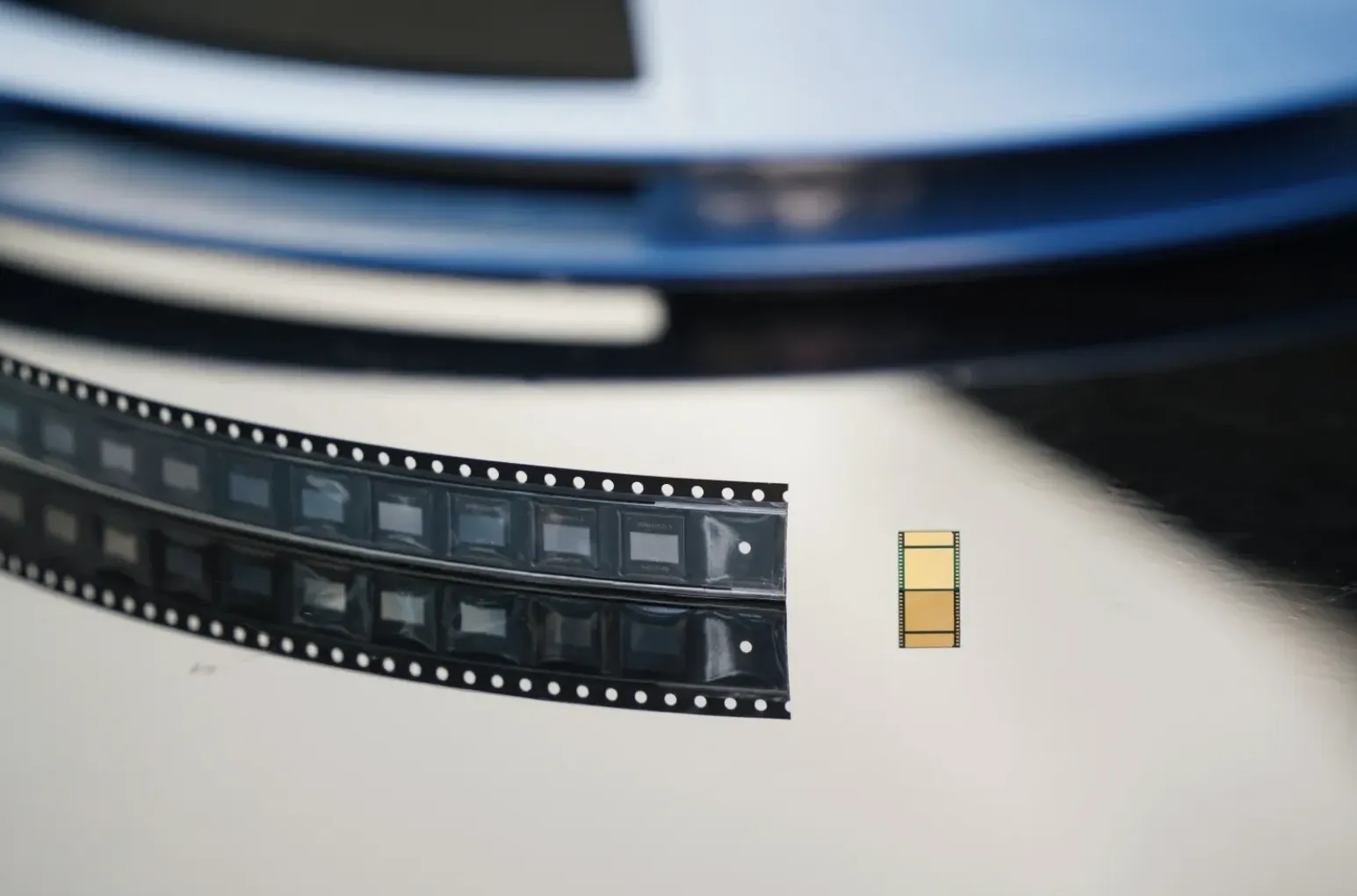
For example, the BM1370 chip - used in several advanced home and solo miners - was originally designed by Bitmain for industrial Antminer rigs. These chips are not sold individually through standard channels.
That means manufacturers building open or semi-open miners effectively have two sources:
Option A - High Cost: “Virgin” Chips from New Machines
Complete, new industrial miners are purchased, dismantled, and the chips are removed one by one.
The process involves losses, cleaning solder residue, and re-soldering onto new boards.
It’s expensive.
It’s time-consuming.
But the chips are new, lightly stressed, and electrically consistent.
Option B - Low Cost: Recycled Chips
Chips are taken from decommissioned farm machines that have run 24/7 in hot, dusty environments for years.
They may work - but often show early silicon degradation, higher leakage current, and reduced stability margins.
On paper, both options look identical.
In operation, they are not.
03How Do You Know What You’re Buying?
That’s exactly why we evaluate chip origin, component selection, and build quality before adding any model to our lineup.
[See solo miners in the shop here]
04
PCB and Copper Weight: Where Power and Heat Actually Flow
ASIC chips are extremely sensitive to how power is delivered.
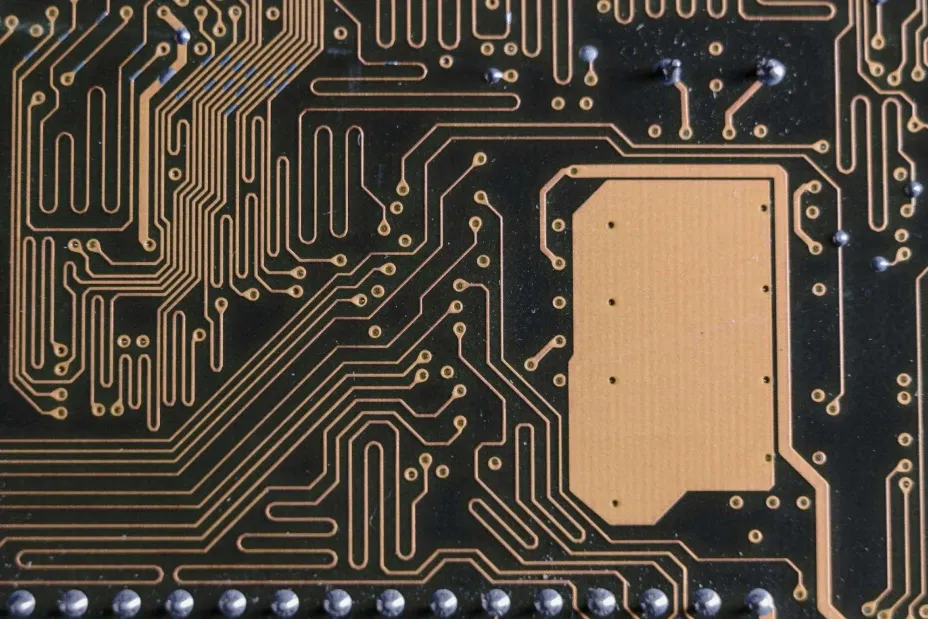
Copper weight in the PCB plays a much larger role than most people realize.
It’s measured in ounces per square foot and acts as both:
- an electrical highway
- a heat spreader for VRMs and regulators
Thin Copper (<1 oz):
- heats up faster
- poorer heat dissipation
- less stability under load
Thick Copper (2 oz):
- significantly better heat distribution
- more stable voltage delivery
- handles sustained load better
This isn’t a simple upgrade.
Doubling copper weight requires a new layout, wider traces, tighter tolerances, and more advanced manufacturing.
It’s a deliberate engineering choice - not decoration.
05
Fuses: What Saves the Machine When Something Goes Wrong
Optimized miners draw high current.
High current means risk.
Fuses aren’t there for performance - they’re there to fail first.
Yet many designs:
- reduce fuse capacity
- or remove them entirely
…to save space, cost, or chase marginal performance gains.
That’s a dangerous compromise.
When something fails in a high-load system without proper protection, it won’t be the fuse - it’ll be the ASICs, VRMs, or the entire board.
Pushing performance without safety margins is like unleashing a predator without a chain.
It works until it doesn’t.
These are the details that separate stable machines from short-lived experiments.
[See NerdQuaxe Solominer here]
06Capacitors: The Silent Guardians Against Ripple
Power reaching the chips is never perfect.
Ripple - small, rapid voltage fluctuations - is unavoidable.
Capacitors play a critical role here.
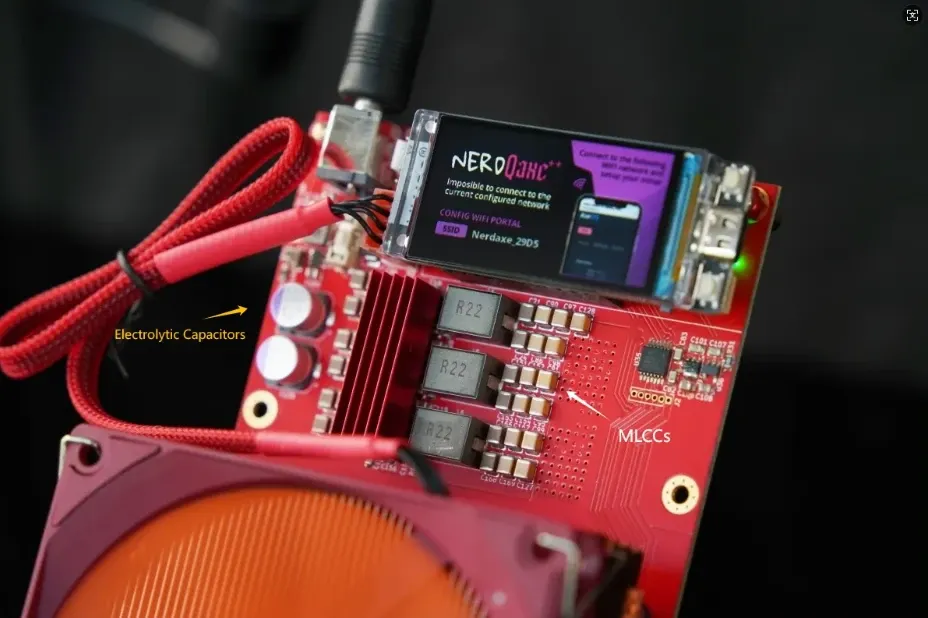
MLCCs (Ceramic Capacitors)
These tiny components filter high-frequency noise close to the chips.
Quality isn’t just about type: it’s about quantity.
More MLCCs means:
- higher cost
- better voltage stability
- less stress on chips
This is not something you can easily fake.
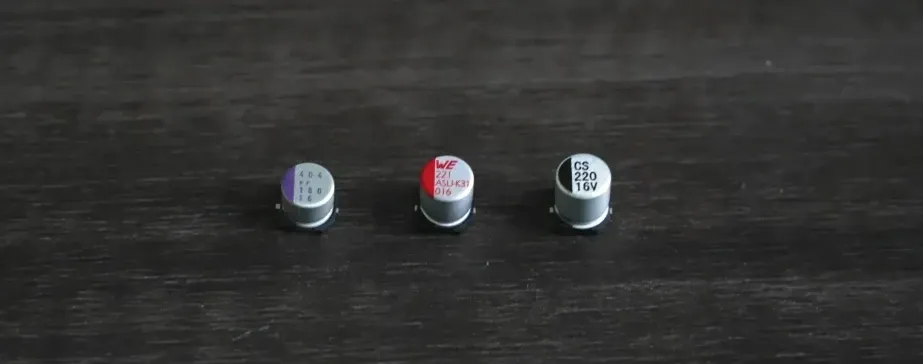
Electrolytic Capacitors
Quality varies even more here.
Color coding often gives hints:
- blue/black: standard industrial
- gold/brown: long life, higher temperature tolerance
- purple/red/orange: often specialized high-ripple series
Premium capacitors offer:
- low ESR
- high ripple tolerance
- less internal heat
Result: smoother operation, less wear, and better long-term stability.
07Power Input and Connectors: Always On Means Always Under Load
Miners are rarely turned off.
That means the power connector is:
- constantly warm
- constantly under load
- mechanically stressed
Barrel jack vs XT connectors isn’t about “better” - it’s about use case.
Metal-housed connectors:
- dissipate heat better
- handle mechanical stress
- avoid plastic fatigue and melting
Small details - big long-term impact.
08PCB Thickness: The Balance Between Strength and Heat
Thin PCB:
- lighter
- potentially faster surface cooling
- but flexible and fragile
Thicker PCB:
- rigid
- durable
- but can trap heat
The industry standard of 1.6 mm exists for a reason - it balances:
- mechanical strength
- manufacturability
- thermal behavior
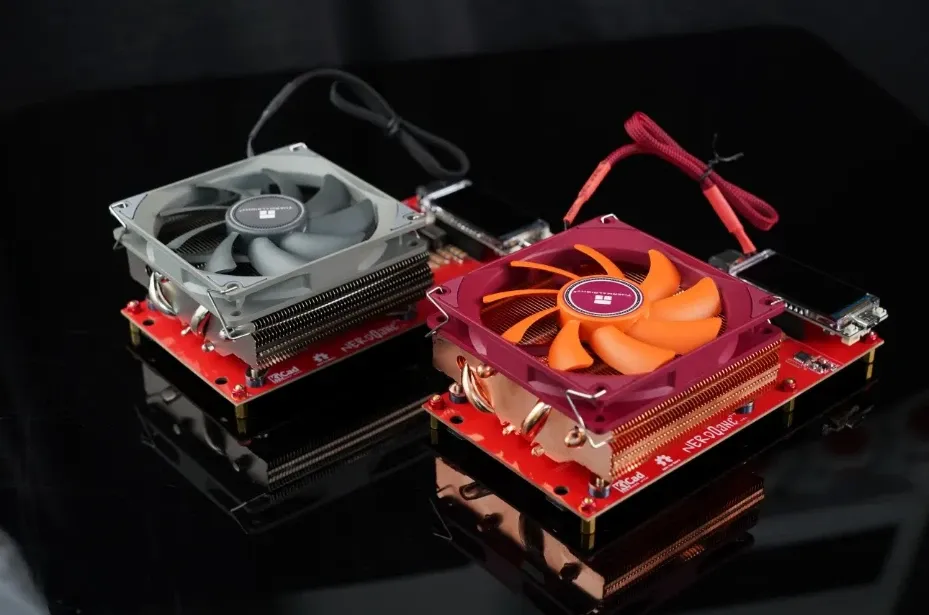
09Fans: Why Size and Physics Always Win
Cooling isn’t about RPM - it’s about air volume.
CFM (airflow) and dBA (noise) are what actually matter.
A large fan running slowly:
- moves the same air
- with far less noise
- less vibration
- less wear
This is pure fluid dynamics.
A larger, slower fan will always outperform a small, high-RPM fan when the goal is quiet, stable cooling.
10
Heatsinks and Materials: Copper vs Aluminum
Thermal management happens in two stages:
- heat is conducted away from the chip
- heat is dissipated into the air
Copper conducts heat faster.
Aluminum is lighter and cheaper.
- Small heatsinks: aluminum is often sufficient
- Mid-sized: hybrid (copper base + aluminum fins)
- Large active cooling: full copper performs best
Surface area matters most.
More mass, thicker base, larger fins = more stable temperatures.
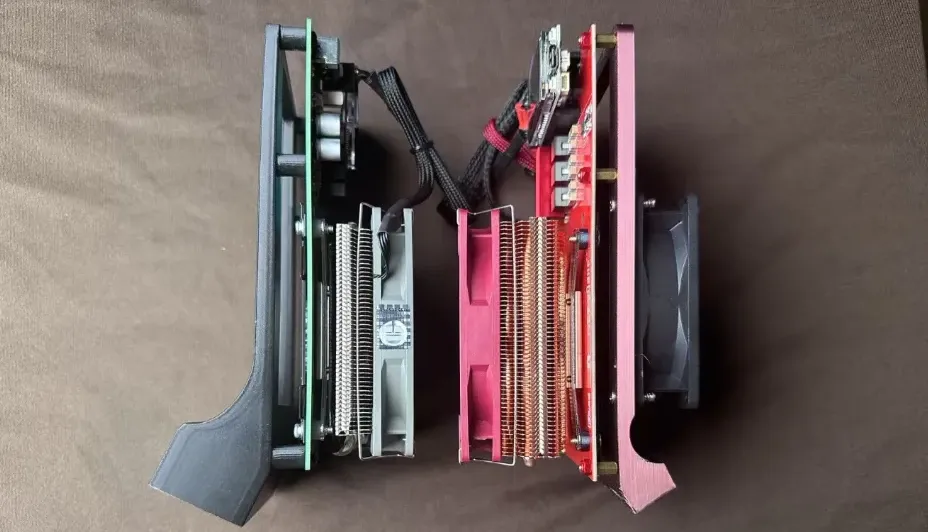
The image shows a standard Nerdq from standard suppliers, while the other is a premium model.
Hashrate Stability: Why Peak Numbers Don’t Matter
Hashrate isn’t a moment - it’s a time-based metric.
Aggressive overclocking can produce impressive short-term numbers, like running an engine in the red zone.
The question isn’t whether it works.
The question is: for how long?
Good components and engineering provide:
- flatter hashrate
- less thermal stress
- longer lifespan
Base quality is the “stats” a machine is born with.
Cooling and tuning are just gear.
11Conclusion
Choosing a miner isn’t about finding the highest number.
It’s about understanding what sustains that number over time.
- Chip origin
- Copper
- Capacitors
- Fuses
- Cooling
- Material choices
Solo miners labeledPremiumorUpgradedin theshopare built with significantly higher quality.